As a popular potted plant, the sensitive plant holds an important place in home decoration. However, they are often troubled by issues such as drought and overwatering. This article will introduce you to how to properly care for sensitive plants so that they can thrive in your pots.
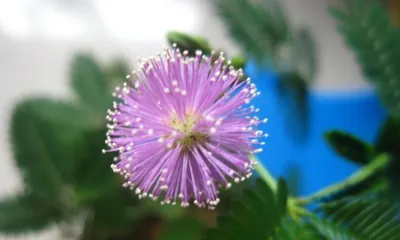
I. Choosing the Right Potting Soil
When choosing potting soil for the sensitive plant, we should select a soil that is well-draining and rich in organic matter. Generally, a soil mixture of three parts garden soil, one part leaf mold, and some sand is most suitable for the growth of sensitive plants.
II. Watering Method
The sensitive plant has a high demand for water, but we also need to be careful not to overwater it. Keep the soil moist, but do not let the sensitive plant sit in waterlogged soil. You can water it once a day during the hot summer months, while in winter, the frequency of watering should be reduced.
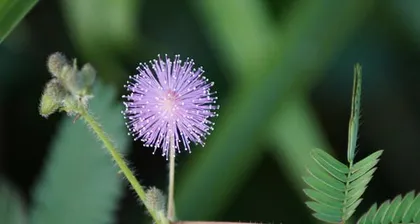
III. Avoiding Overwatering
Overwatering is a major problem for sensitive plants. If your sensitive plant looks wilted, yellowed, or its roots are black and rotten, it is likely because it has been overwatered. If you find that the surface of the potting soil feels moist, it means that watering is not needed at the moment.
IV. Controlling Temperature
Sensitive plants grow best in a temperate environment, preferring temperatures between 18-25°C. If the ambient temperature is too high or too low, it will affect the growth and flowering of the sensitive plant.
V. Adequate Sunlight
Sensitive plants love plenty of sunlight. When the sun shines on the leaves of the sensitive plant, the leaves will curl upwards, as they are protecting themselves from excessive ultraviolet radiation. Therefore, we should choose to plant the sensitive plant in a bright but not overly intense sunlight.
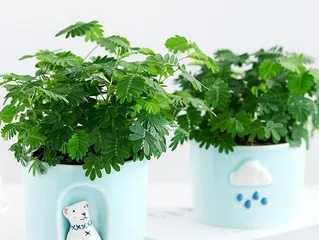
VI. Repotting Time
To ensure the healthy growth of the sensitive plant, we should replace the potting soil regularly. When you find that the roots of the sensitive plant are protruding from the drainage holes at the bottom, it means it's time to repot it. Simply take the sensitive plant out, remove the old soil, and replace it with new potting soil.
VII. Fertilizing
We can apply liquid fertilizer appropriately during the growing period of the sensitive plant. Generally, fertilizing once a month is sufficient. When fertilizing, the appropriate amount of fertilizer should be added according to the instructions on the packaging.
VIII. Preventing Pests
Sensitive plants are also susceptible to pests. We should regularly check if the sensitive plant is infested by pests such as aphids and whiteflies. If pests are found, they can be treated with pesticides.
IX. Pruning
Pruning the branches and leaves of the sensitive plant is also an important task. We can prune its branches and leaves during its growing period and for the two months following to promote more growth and flowering.
X. Precautions After Contact with Human Skin
The leaves of the sensitive plant have many tiny hairs that can cause stinging and itching upon contact with human skin. Therefore, you should wash your hands promptly after touching the sensitive plant to avoid unnecessary pain.
XI. Timely Moving
Sensitive plants are more accustomed to stable temperature and humidity environments, and moving them can easily cause leaf curling, affecting their appearance. Therefore, when it is necessary to move a sensitive plant, the temperature and humidity should be appropriately controlled to allow the plant to adapt to the new environment.
XII. Avoiding Wind Exposure
Sensitive plants are quite sensitive; wind can cause their leaves to curl or even break. Therefore, when placing a sensitive plant, be sure to avoid windy areas or use windbreaks for protection.
XIII. Regularly Cleaning Leaves
The leaves of sensitive plants tend to accumulate dust and dirt and need to be regularly wiped with a damp cloth or rinsed with a spray bottle to keep them clean, which is beneficial for photosynthesis.
XIV. Avoiding Sudden Changes in Light
If a sensitive plant has been growing in an environment with light that is too strong or too weak for a period of time, suddenly moving it to an environment with opposite light conditions may have a negative impact on it. Therefore, when moving the location of a sensitive plant, the change in light should be managed appropriately.
XV.
Caring for a sensitive plant is a meticulous process. If you care for it according to the methods provided in this article, we believe your sensitive plant will become healthier and bloom more beautifully. We hope these tips will help you grow a lovely green "little cutie".