Indoor Care of Begonia rex: Making Your Home More Beautiful
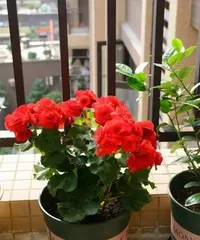
As a common indoor foliage plant, Begonia rex is beloved for its beautiful flowers and unique leaf shapes. Many people believe that Begonia rex can only be planted outdoors, but this is not the case. With the right care methods, Begonia rex can thrive indoors, adding a touch of greenery to our homes.
I: Sunlight and Temperature: Sun Protection in Summer
To ensure that indoor Begonia rex plants grow normally, suitable light and temperature are very important. When choosing a planting location, be sure to select a spot with ample sunlight and control the temperature appropriately. During the hot summer season, avoid direct sunlight. You can place the pot in a partially shaded area or use a shading net for protection.
II: Water and Humidity: Water Moderately
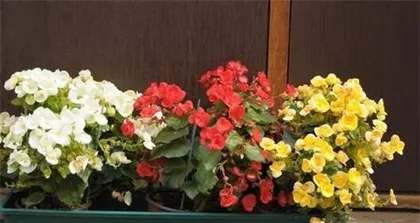
When caring for Begonia rex indoors, it is important to control water and humidity. Generally, you should water moderately according to the indoor temperature and humidity. If the temperature is too high, you can increase the frequency of watering and use a sprayer to increase air humidity.
III: Soil Selection: Nutrient-Rich Soil
When planting Begonia rex, the soil is also a crucial factor. Generally, you need to choose soil that is rich in nutrients and has good aeration. When repotting, you can use special flower soil or a mix with sandy soil for planting.
IV: Fertilization Method: Regular Fertilization
To ensure the growth and health of Begonia rex, regular fertilization is also essential. Generally, fertilize once every month or so, using a special fertilizer for flowers, and follow the instructions for use.
V: Causes and Treatment of Leaf Drop
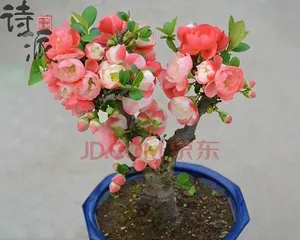
If you find that Begonia rex leaves are falling, you need to find the cause and deal with it promptly. The reasons for leaf drop could be temperatures that are too high or too low, overwatering, or excessive dryness. You need to adjust the frequency of watering and fertilization according to the specific situation, and pay attention to controlling temperature and humidity.
VI: Causes and Treatment of Wilting
Wilting of Begonia rex is also a common problem. The causes of wilting could be lack of water, soil that is too dry, or excessively high temperatures. You need to replenish water in time, control temperature and humidity, and appropriately adjust the frequency of fertilization and watering.
VII: Pest and Disease Control Methods
When planting Begonia rex indoors, pests and diseases also need to be prevented and controlled. Generally, you can use insecticides, fungicides, etc., for control, but you need to pay attention to the usage methods and dosages. At the same time, you can also adopt physical control methods, such as using yellow sticky boards or fine sand to catch insects.
VIII: Propagation Methods: Grafting and Cuttings
If you want to propagate more new Begonia rex plants, you can use methods like grafting and cuttings. Grafting involves attaching the Begonia rex to the stem of another plant, while cuttings involve inserting a Begonia rex branch into the soil to grow.
IX: Characteristics and Classification of Begonia rex
As a top-tier indoor foliage plant, Begonia rex has unique leaf shapes and beautiful flowers. Depending on the flower color, Begonia rex can be divided into many varieties such as white, red, and pink.
X: Advantages of Indoor Planting
Compared to outdoor planting, indoor planting of Begonia rex has more advantages. The indoor environment is relatively stable, and temperature and humidity can be controlled; indoor care is more convenient and less affected by natural disasters like wind and rain; it can make our homes more beautiful.
XI: How to Choose High-Quality Begonia rex
When purchasing Begonia rex, you need to pay attention to some key factors. You should select plants with lush and brightly colored flowers; pay attention to choosing healthy plants without pests or diseases; and choose varieties suitable for indoor planting.
XII: Flowering Period and Bloom Time of Begonia rex
The flowering period of Begonia rex is generally in spring and autumn, and can last for one to two months. With proper care, it can also bloom in other seasons.
XIII: Companion Planting with Begonia rex
As an indoor foliage plant, Begonia rex can be paired with other plants to make the entire indoor environment more beautiful. For example, it can be paired with plants like spider plants and cacti to create a unique landscape effect.
XIV: Cultural Significance of Begonia rex
In addition to being a foliage plant, Begonia rex also has profound cultural significance. In traditional culture, Begonia rex is regarded as a mascot, symbolizing a happy and beautiful life.
XV:
Begonia rex is a very suitable indoor foliage plant. As long as you master the correct care methods, you can make it grow strong and bloom profusely at home. Through reasonable fertilization, watering, pest and disease control, and other methods, we can make our homes more beautiful and full of life.