As a beautiful ornamental plant, the blooming flowers of the safflower bring joy to people's hearts. However, many people encounter problems when growing safflower, such as it not flowering or having a short flowering period. How can you make safflower bloom more abundantly? Let's explore the growing techniques for safflower in detail.
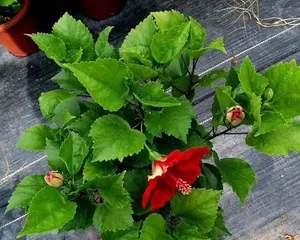
Choosing Soil
Safflower prefers loose, fertile, and well-draining soil. Therefore, when planting, pay attention to the soil texture. You can add an appropriate amount of well-rotted compost and sand to improve the soil's aeration and water retention.
Watering
Safflower has high water requirements, but be careful not to overwater to prevent root rot. Generally, water moderately in spring and autumn, increase the amount in summer, and decrease it in winter.

Fertilizing
Safflower needs a moderate supply of nutrients to flower successfully, so appropriate fertilization is required during the growing period. You can choose organic fertilizer or compound fertilizer, applying it about once every two weeks, but do not overdo it to avoid harming the plant.
Pruning
Pruning is key to encouraging more branching and larger flowers on safflower. The best times for pruning are in spring and autumn each year. Trim away excess branches and leaves, keeping the main trunk and primary side branches, which allows the safflower to absorb nutrients better.
Shading
Safflower is afraid of intense sunlight, so it needs shading during the high temperatures of summer. You can use methods like fences or shade nets to block the sun and protect the safflower from sunburn.
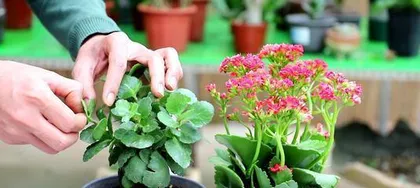
Maintaining Moisture
Safflower likes a humid environment, so it needs proper moisture retention during hot and dry summers. You can use a sprayer or add an appropriate amount of water to the soil to increase air humidity and keep the environment moist.
Controlling Temperature
Safflower has a wide range of temperature adaptation, but it should not be too extreme. In spring and summer, avoid direct sunlight and try to place it in a well-ventilated area with a suitable temperature. In winter, avoid making the indoor environment too cold.
Timely Pest and Disease Control
Safflower is susceptible to some pests and diseases, such as aphids, scale insects, and red spiders. During the growing process, these pests and diseases should be dealt with promptly to ensure the healthy growth of the safflower.
Selecting the Right Variety
There are many varieties of safflower, and each has different care requirements. Before purchasing, understand the characteristics of the variety and choose one that suits you for better maintenance.
Mastering Watering Techniques
When watering safflower, pay attention to the amount, timing, and location. You can water in the morning or evening, which not only avoids direct sunlight but also allows the soil to absorb water better.
Controlling Fertilizer Amount
Do not use too much fertilizer when applying it, as it can easily cause root burn in safflower, affecting its normal growth. Also, pay attention to the choice of fertilizer to avoid harming the plant.
Keeping the Environment Clean
The growing environment for safflower should be kept clean, and weeds and garbage should not be allowed to accumulate. You can regularly clear weeds and fallen leaves to maintain the tidiness of the surrounding area.
Avoiding Transplanting
Transplanting safflower has a significant impact on its growth, so try to avoid frequent transplanting. If transplantation is necessary, choose the right time and method to avoid harming the plant.
Properly Controlling Irrigation Amount
Safflower has high water requirements, but it cannot be over-irrigated. Generally, irrigate moderately in spring and autumn, appropriately increase the amount in summer, and appropriately decrease it in winter.
Observing Growth Conditions
In daily care, frequently observe the growth of safflower. If problems are found, they should be dealt with promptly. For example, if pests or diseases are found, they should be cleared in time to avoid affecting the normal growth of the plant.
In summary, the growing techniques for safflower include many aspects such as choosing soil, watering, fertilizing, pruning, shading, moisturizing, controlling temperature, timely pest and disease control, and selecting the appropriate variety. Only by mastering these growing techniques can safflower grow healthier and bloom more beautifully.