Jasmine is a common flower with a fragrant aroma and beautiful blossoms. Many people enjoy growing jasmine at home or in their gardens to add a touch of fragrance and greenery. However, growing healthy jasmine seedlings and ensuring they thrive requires some skill and patience. This article will detail the entire process of selecting, planting, and caring for jasmine seedlings, helping readers easily cultivate beautiful jasmine flowers.
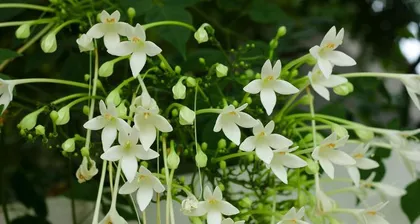
I: Understanding the Characteristics and Requirements of Jasmine Seedlings
Jasmine seedlings thrive in sunny environments and are suitable for moist but well-draining soil. Choosing a jasmine variety suitable for your home or garden and understanding its cultivation requirements are essential for successful subsequent planting.
II: Selecting Healthy Jasmine Seedlings
Selecting healthy jasmine seedlings is key to successful planting. You can observe the health of the seedling by examining its roots, leaves, and stems, avoiding those with pests or diseases.
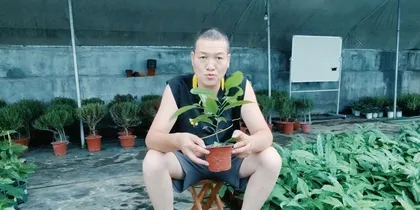
III: Preparing Suitable Soil and Containers
Jasmine prefers well-draining, humus-rich soil. You can use peat moss or a mix of fertile garden soil as the growing medium and prepare appropriately sized containers for the jasmine seedlings to grow.
IV: Correct Planting Methods
When transplanting the jasmine seedling into a prepared container, pay attention to the placement of the roots and ensure their integrity. After planting, water it appropriately to help the seedling establish itself successfully.
V: Scientific Watering and Fertilization
Jasmine requires adequate water to sustain growth, but excessive water can lead to root rot. Controlling the watering amount reasonably and fertilizing at the right time can promote healthy growth.
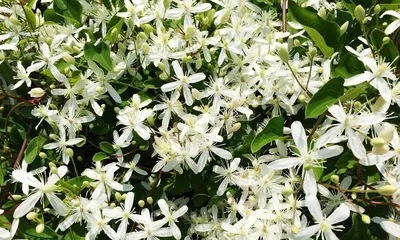
VI: Creating a Suitable Growing Environment
Jasmine likes a warm environment, especially requiring higher temperatures during the flowering period. You can choose to grow it indoors or in a greenhouse, or select a suitable shaded spot outdoors to create a comfortable growing environment for the jasmine.
VII: Proper Pruning and Shaping
Over many years, jasmine will gradually form a tree-like shape. Through proper pruning and shaping, you can help the jasmine maintain a good form and encourage more branching and blooming.
VIII: Pest and Disease Control
Jasmine is susceptible to some pests and diseases, such as aphids and powdery mildew. Timely detection and the implementation of corresponding control measures can maintain the healthy growth of the jasmine.
IX: Paying Attention to Jasmine's Dormancy Period
Jasmine has a dormant period in winter. At this time, it is necessary to control the amount of watering, keeping the soil slightly moist. You can also provide a cooler environment for the jasmine to encourage it to enter a dormant state.
X: The Blooming and Enjoyment of Jasmine Flowers
The blooming period of jasmine is generally concentrated in spring and summer, when the flowers are in full bloom and their fragrance is everywhere. Pay attention to the jasmine's growth status and promptly remove withered or diseased flowers to promote the opening of new blossoms.
XI: How to Propagate Jasmine
Jasmine can be propagated by cuttings, division, or sowing. Choose a propagation method that suits you and pay attention to the environmental conditions during propagation to successfully cultivate new jasmine seedlings.
XII: Jasmine and Traditional Culture
Jasmine holds an important position in Chinese traditional culture and is often endowed with symbolic meanings of good fortune and beauty. Understanding the cultural significance of jasmine allows for a better appreciation and enjoyment of its beauty.
XIII: Other Uses of Jasmine Flowers
In addition to its ornamental value, jasmine has many other uses. Such as making jasmine tea, essential oils, etc. These are additional values of jasmine that can be further explored and tried.
XIV: Common Problems and Solutions in Jasmine Seedling Cultivation
During the process of planting jasmine seedlings, you may encounter some common problems, such as yellowing or withering leaves. By understanding the causes of these problems and taking appropriate solutions, you can help the jasmine recover its health.
XV: Jasmine Seedling Planting
Planting jasmine seedlings requires attention to several factors, including seedling selection, soil, water, fertilization, and temperature. Only by comprehensively considering these factors and taking appropriate measures can you cultivate healthy and beautiful jasmine flowers. Whether as an ornamental plant or a medicinal herb, jasmine is a plant worthy of cultivation and appreciation.