Aloe vera is a common ornamental and medicinal plant, widely loved by people. However, growing aloe vera well is not a simple task. This article will provide a detailed introduction to the entire process of aloe vera cultivation from aspects such as suitable soil and maintenance methods.
Introduction to Aloe Vera
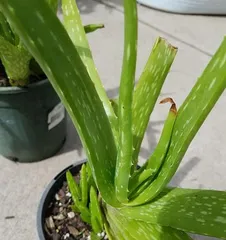
Aloe vera is a succulent plant with rich nutritional and medicinal value. Its leaves are rich in various amino acids, dietary fiber, and other components, and have multiple effects on the human body, such as beauty, weight loss, and health care.
Suitable Soil
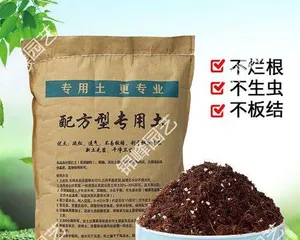
Aloe vera does not have high requirements for soil, but it is best to choose loose, well-drained, and fertile soil for planting. Soil that is too heavy or poorly drained can lead to root rot and affect the growth of the plant.
Soil pH Value
Aloe vera has low requirements for soil pH, generally between 6.0-7.0. If the soil is too acidic or too alkaline, it will adversely affect the growth of aloe vera. A soil test can be conducted before planting, and adjustments can be made based on the test results.
Suitable Climate
The growth temperature of aloe vera is above 10°C, and the suitable growth temperature is between 20-30°C. Too cold or too hot temperatures will affect the growth and development of aloe vera, so it should be planted in a season with suitable temperatures.
Nutritional Elements
Aloe vera has a large demand for nutrient elements such as nitrogen, phosphorus, and potassium, and timely fertilization is required during the planting process. However, be careful not to over-fertilize to avoid burning the plants.
Water Management
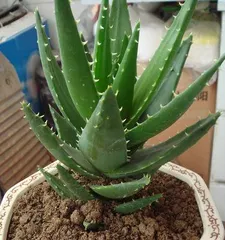
Aloe vera has a small demand for water, but it is not drought-tolerant. During the growing season, the soil needs to be kept moist, but not too wet. Watering should be even and appropriate to avoid water accumulation and root rot.
Sunlight Management
Aloe vera likes a sunny environment, but too strong sunlight can scorch the leaves. When planting aloe vera, choose a place with sufficient light, but avoid direct sunlight. Measures such as shading nets can be used to block the sun.
Temperature Management
During the growing season, temperatures that are too low or too high will affect the growth and development of aloe vera. Corresponding measures, such as insulation and ventilation, should be taken in time according to changes in temperature.
Pest and Disease Control
Aloe vera is susceptible to pests and diseases such as mites and powdery mildew, and corresponding control measures need to be taken. Organic pesticides can be used for spraying, and at the same time, the maintenance of the plants should be strengthened to improve their disease resistance.
Harvesting Aloe Vera
Aloe vera can be harvested as needed, generally starting in the spring of the second year of the plant's life. When harvesting, be careful not to damage the plant excessively, and a sharp knife can be used for cutting.
Storing Aloe Vera
Harvested aloe vera should be stored in time, otherwise its nutritional value and taste will be affected. It can be cleaned and then placed in the refrigerator to maintain its freshness and taste.
Processing Aloe Vera
Aloe vera can be processed in various ways, such as making aloe vera juice, aloe vera gel, aloe vera wine, etc. However, it is important to choose high-quality aloe vera varieties for processing to ensure the quality of the final product.
Medicinal Value of Aloe Vera
Aloe vera has various medicinal values and can be used to treat diseases such as skin inflammation and gastric ulcers. However, appropriate usage methods and dosages should be selected according to one's own condition.
Beauty Effects of Aloe Vera
Aloe vera has various beauty effects and can be used for skin care, weight loss, and other aspects. However, pure natural aloe vera products should be used to avoid adverse reactions.
Although growing aloe vera is not an easy task, as long as you master the suitable soil and maintenance methods, you can easily reap a bountiful harvest. It is hoped that this article will be helpful to all enthusiasts.