Honeysuckle is a common ornamental plant that is not only beautiful but also has great medicinal value. However, many people encounter a problem when caring for honeysuckle—why doesn't my honeysuckle ever flower? In fact, to make honeysuckle flower for a long time, it is crucial to master its flowering cycle and care techniques.
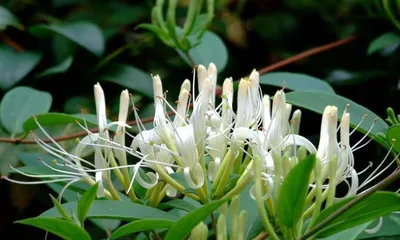
Understanding the Growth Characteristics of Honeysuckle
Honeysuckle is native to southern China and belongs to the Caprifoliaceae family, Lonicera genus. It is a deciduous climbing vine. Its leaves are relatively thick and slightly glossy, and its flowers are brightly colored, making it a common ornamental plant. During its growth process, honeysuckle requires high temperatures, humidity, and sufficient sunlight. These growth characteristics need to be noted during care.
Mastering the Flowering Cycle of Honeysuckle
The flowering time of honeysuckle is generally between May and October, and the specific time depends on the climate and region. Generally, the flowering cycle of honeysuckle is once a year, and the flowering period is long, lasting up to three seasons. Of course, with proper care, the flowering cycle can also be advanced.
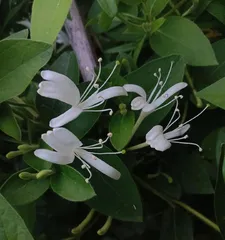
Watering Appropriately
Honeysuckle does not like overly dry environments, so it is important to water it appropriately. Generally, watering once a week is sufficient, and it can be increased appropriately during the summer when temperatures are high. However, be careful not to overwater, as this can easily lead to root rot.
Using Fertilizer Correctly
Honeysuckle needs certain nutrients to support flowering and growth during its growth process. It is necessary to fertilize appropriately during care. Generally, applying a mature organic fertilizer once a month is sufficient.
Prune in a Timely Manner
Honeysuckle grows relatively fast, and during the growth process, it may experience excessive growth and intertwining. At this point, timely pruning is needed to keep the branches clear and distinct.
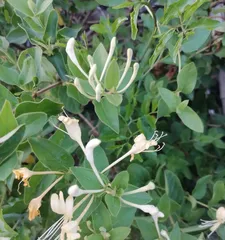
Pay Attention to Pest and Disease Control
Honeysuckle is susceptible to pests and diseases such as aphids and powdery mildew. During care, it is important to prevent and control them, and to detect and treat them in a timely manner.
Appropriate Temperature
Honeysuckle requires relatively high temperatures during its growth process, with the most suitable growth temperature being 18°C-25°C. During high summer temperatures, pay attention to maintaining ventilation and providing shade to avoid excessive heat.
Appropriate Soil
Honeysuckle likes loose, fertile, and well-draining soil. During care, it is necessary to choose soil with a suitable texture, maintain the soil's moisture level, and avoid affecting growth due to lack of water or excessive moisture.
Regularly Repotting
The root system of honeysuckle is relatively developed and can easily occupy the entire pot soil. During care, it is necessary to repot regularly to prevent root entanglement and excessive growth, and to maintain a good growth state.
Controlling Growth Rate
Honeysuckle grows relatively fast, and during the growth process, it may encounter problems such as intertwining. During care, it is important to control the growth rate to keep the branches clear and distinct.
Preventing Drought
Honeysuckle does not like overly dry environments, so it is important to keep the soil moist during care. Especially during dry seasons, it is necessary to appropriately increase the frequency of watering to keep the soil moist.
Reasonable Irrigation Methods
The root system of honeysuckle is relatively developed and needs to be evenly distributed throughout the pot soil. During irrigation, pay attention to even watering to avoid some areas becoming too dry or too wet.
Pay Attention to Providing Shade
Honeysuckle is suitable for growing in sufficient sunlight, but during high summer temperatures, it is necessary to provide shade to avoid excessive heat. When providing shade, pay attention to maintaining ventilation to prevent poor air circulation.
Appropriate Humidity
Honeysuckle likes relatively high humidity, so it is important to maintain appropriate humidity during care. Especially during dry seasons, methods to increase humidity can be used to improve growth quality.
Mastering the flowering cycle and care techniques of honeysuckle can allow it to flower for a long time, achieving a dual effect of ornamental and medicinal use. During the care process, pay attention to aspects such as watering, fertilizing, pruning, and pest and disease control to ensure its growth quality. At the same time, pay attention to aspects such as controlling growth rate, repotting, and providing shade to allow honeysuckle to grow healthily in a suitable environment.