Dianthus is a common ornamental plant, popular for its beautiful flowers. However, successfully growing dianthus requires some techniques and precautions. This article will detail the entire process of growing dianthus, including sowing, care, and flowering, to help readers easily grasp the key points of dianthus cultivation.

I: Understanding Dianthus
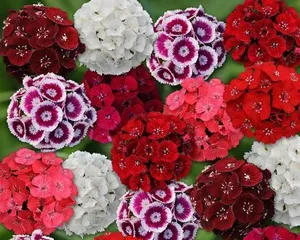
Dianthus belongs to the Liliaceae family and is a perennial herbaceous plant. Its flowers are brilliantly colored, with various colors such as red, pink, and purple, and have a long flowering period, lasting for about 2 months. It is very suitable for planting in environments like courtyards or balconies.
II: The Growing Environment for Dianthus
Dianthus prefers a sunny, well-ventilated environment with loose, well-draining soil. At the same time, it is relatively cold-tolerant and suitable for growing in lower temperature environments. When choosing a planting location, these factors need to be considered.
III: Selecting Seeds
Before planting dianthus, you need to purchase good seeds. Generally, select seeds that are intact in appearance, uniform in color, and have not deteriorated. At the same time, pay attention to the manufacturer and production date information when purchasing to ensure the quality of the seeds.
IV: Sowing Time
For the sowing time of dianthus, spring and autumn are generally more suitable. Spring is the growing season for dianthus and is suitable for sowing; in autumn, the temperature is lower and the growth rate of dianthus is slower, so sowing can be done at this time to facilitate rapid growth in the following spring.
V: Sowing Method
The sowing method for dianthus is relatively simple. You can scatter the seeds directly on the soil surface and then gently compact them. You can also bury the seeds deep in the soil, but note that they should not be buried too deep, otherwise it will affect the germination rate.
VI: Soil Care
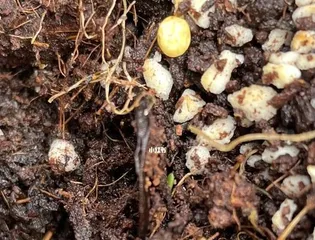
When caring for the soil for dianthus, it is necessary to keep the soil moist, but also avoid overwatering. At the same time, fertilize once a month to ensure a sufficient supply of nutrients for the dianthus.
VII: Timely Pruning
Dianthus also needs timely pruning during its growth period to maintain its good growth state. Generally, pruning can be done after the flowering period, trimming off the withered flowers and branches to promote the growth of new buds.
VIII: Pest and Disease Control
During the growth period, dianthus can also be affected by some pests and diseases, such as spider mites and aphids. When planting, it is also necessary to pay attention to the prevention and control of pests and diseases to maintain the healthy growth of dianthus.
IX: The Flowering of Dianthus
The flowering time of dianthus is generally in the spring of the second year after planting, although some varieties may flower in the first year. During flowering, it is necessary to provide appropriate sunlight and water, and maintain air circulation to promote flowering.
X: Care After Flowering
After dianthus flowers, it also requires appropriate care. Generally, appropriate pruning and weeding can be done to maintain its good growth state.
XI: Harvesting and Preservation
After dianthus flowers, it can also be harvested and stored indoors or in a dry, ventilated place. However, it should be noted that harvesting should be done when the flowers are fully open, and the humidity of the flowers should be maintained to prevent the flowers from falling off or drying up.
XII: Propagation Methods
The propagation methods for dianthus are quite diverse and can be done through division, grafting, cuttings, etc. Among them, division is the most common propagation method, where the roots of the dianthus can be split into multiple seedlings and then planted.
XIII: Introduction of Common Varieties
Dianthus has many common varieties, such as Himalayan dianthus, rose dianthus, flame dianthus, etc. These varieties each have their own characteristics and charm, and can be selected according to one's own preferences.
XIV: Precautions
When planting dianthus, some precautions also need to be noted. Such as not overwatering, not using too concentrated fertilizer, and avoiding direct sunlight.
XV:
In summary, the entire process of growing dianthus includes multiple links such as sowing, care, and flowering. When planting, it is necessary to pay attention to factors such as the environment, soil care, and pest and disease control to ensure the good growth state of dianthus. At the same time, it is also necessary to pay attention to the flowering time, harvesting, and preservation of dianthus to maintain its beautiful appearance.