Narcissus is a beautiful flower and one of the most common flowers in the spring flower market. Its blooming period is in spring, which can fill the entire garden with a rich and fragrant atmosphere. Narcissus is simple to cultivate and does not require much professional skill. By paying attention to a few details, you can help the narcissus grow strong. This article will introduce you to the cultivation methods of narcissus in detail, from selection to maintenance.
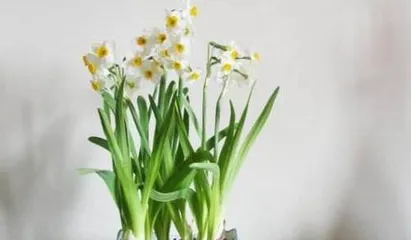
Variety Introduction
There are more than 50 varieties of narcissus, with diverse colors such as white, yellow, orange, and pink. Among them, varieties like "Beaver", "Golden Fragrance", and "Beauty" are more common.
When selecting a variety, it is recommended to choose a complete, undamaged narcissus bulb with a smooth surface and no spots to ensure better growth.
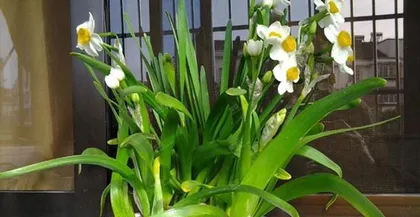
Soil Selection
Narcissus prefers fertile, well-drained soil. It is recommended to use peat soil or river sand soil for cultivation. Before planting, you can fully water the soil to achieve a sufficiently moist state.
Light and Temperature
Narcissus likes plenty of sunlight, but too strong sunlight can turn the leaves yellow. Generally, it is sufficient to choose a well-ventilated place with moderate light for cultivation.
The suitable growing temperature for narcissus is 15°C-18°C. During high summer temperatures, attention should be paid to avoiding overheating.
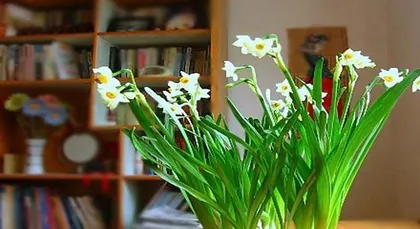
Watering and Fertilizing
During the growing period, narcissus needs sufficient water, but be careful not to overwater to avoid waterlogging. Generally, it is enough to keep the soil moist when watering. During the plant's growth period, a moderate amount of well-rotted organic fertilizer can be applied.
Bulb Management
The bulb is the life source of narcissus, so bulb management is very important. During the bulb's dormant period, take the bulb out of the soil, clean it, and let it dry for 2-3 days. When replanting, pay attention to the depth at which the bulb is buried in the soil; generally, burying it to twice the height of the bulb is sufficient.
Pest and Disease Control
During the growth of narcissus, it is necessary to pay attention to preventing and controlling pests and diseases. Common pests and diseases include aphids, powdery mildew, and gray mold. Pesticides can be used for prevention and control, and it is recommended to choose harmless, green pesticides.
Blooming Period Management
The flowering period of narcissus is generally around 3-4 weeks. After the flowering period, the flower stalks need to be cut off, and the bulbs should be taken out of the soil, dried, and stored in a dry and ventilated place.
Succulentization Treatment
There are many varieties of narcissus, and succulentization treatment can be carried out to allow the narcissus to produce multiple bulbs during the growth period, thereby increasing the yield.
Avoid Storage in Humid Places
Narcissus does not like humid environments, so during storage, try to avoid placing it in humid places to prevent the bulbs from getting moldy.
Pruning
During the growth period, narcissus needs timely pruning. Generally, it is sufficient to cut off all the flower stalks after the flowering period.
Avoid Strong Winds and Frost
Narcissus is not tolerant of cold and strong winds. Therefore, when encountering cold weather, it needs to be moved to a warm environment to avoid the cold and prevent it from being blown by strong winds.
Storage Temperature Management
Narcissus needs to be stored during its dormant period. During storage, an appropriate temperature needs to be maintained. The recommended storage temperature is around 10°C.
Bulb Division
During the growth period, narcissus bulbs can be divided. One bulb can be split into multiple parts and replanted.
Spring Fertilization
As spring approaches, a fertilization can be applied to supplement nutrients to ensure the healthy growth of narcissus.
Maintenance Precautions
Caring for narcissus requires attention to various aspects, such as variety selection, soil selection, light and temperature, watering and fertilizing, bulb management, pest and disease control, blooming period management, succulentization treatment, pruning, avoiding strong winds and frost, storage temperature management, bulb division, spring fertilization, and more. Only by paying attention to these issues can narcissus grow healthily and add a romantic atmosphere to your garden.