Topic: Cultivation Methods and Precautions for Mini Roses
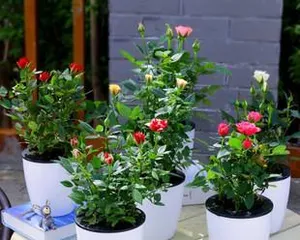
Mini roses, also known as miniature roses, are charming and lovely flowers. They grow quickly, don't take up much space, and feature beautiful blossoms with a delightful fragrance. However, to ensure mini roses grow lush and healthy, some specific care techniques are required. Let's delve into the details.
I. Choosing a Variety
Content: When purchasing mini roses, select healthy plants. It is best to choose varieties suited to your local climate for optimal growth and flowering. Additionally, look for plants with intact stems and prominent buds.

II. Choosing Soil
Content: Mini roses require fertile, well-draining soil with a pH between 5.5 and 7.5. Before planting, loosen the soil and remove old plant material from the root area to prevent bacterial contamination.
III. Choosing a Location
Content: Mini roses need ample sunlight and good air circulation. It's best to plant them in a sunny spot with good ventilation. Avoid locations where water can pool to prevent root rot.
IV. Watering
Content: Mini roses need regular watering to keep the soil moist, but avoid overwatering to prevent root damage. Watering in the morning or evening is best to avoid the harsh midday sun.

V. Fertilizing
Content: Mini roses need appropriate fertilization to provide sufficient nutrients. Use fertilizers rich in potassium, phosphorus, and nitrogen, and increase application frequency during the flowering season. However, avoid over-fertilizing to prevent root burn.
VI. Pruning
Content: Regular pruning encourages growth and flowering in mini roses and removes dead or weak branches. Pruning after the main flowering period promotes further growth and blooms.
VII. Pest and Disease Control
Content: Mini roses are susceptible to pests and diseases. Regularly inspect them and take prompt action, such as using appropriate insecticides and fungicides.
VIII. Timely Transplanting
Content: Mini roses grow quickly and can become root-bound. They should be repotted into a larger container in a timely manner to ensure healthy growth and flowering.
IX. Winter Maintenance
Content: Mini roses require special care during the winter. Move them to a warm, ventilated location and reduce watering and fertilizing. In colder regions, they may also need protection from frost.
X. Observation
Content: While caring for mini roses, constantly monitor their growth for any signs of pests or diseases. Only by identifying and addressing problems promptly can you ensure their healthy development.
XI. Propagation of Mini Roses
Content: Mini roses can be propagated through methods like cuttings or division. Before propagating, select a healthy plant and use disinfected tools for the process.
XII. Suitable Planting Time
Content: The best time to plant mini roses is in spring or autumn. Planting in summer or winter requires extra care and protection.
XIII. Reasonable Pairing
Content: Mini roses can be planted with other flowers to enhance color and visual appeal. However, ensure the pairing is suitable to avoid competition that could affect their growth.
XIV. Suitable Temperature Range
Content: The ideal temperature range for mini roses is 15-25°C. In summer, be mindful of high temperatures to prevent leaf scorch and wilting.
XV
Content: Although mini roses are small and cute, they do require specific care techniques. By selecting the right variety, soil, and location, and paying attention to watering, fertilizing, and pruning, you can help them grow and flower healthily and abundantly.