Nandina domestica is a bamboo-like plant with high ecological value, and it was planted in gardens as early as the Tang Dynasty. In recent years, the application of Nandina domestica in fields such as art and architecture has become more and more widespread. The old trunk of Nandina domestica is a relatively precious type of this plant, and its cultivation and maintenance also require certain techniques.
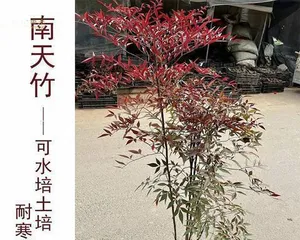
I. Selection Stage – Choosing the Right Old Nandina Domestica Trunk
In the selection stage, factors such as the size, shape, and variety of the trunk need to be considered. Generally, it is better to choose a normally growing old Nandina domestica trunk, while avoiding excessive harvesting. Additionally, factors such as the growth environment, variety, and characteristics of the old Nandina domestica trunk should be noted.
II. Cleaning Stage – Thoroughly Remove Impurities
In the cleaning stage, it is necessary to thoroughly remove impurities and attachments from the surface of the old Nandina domestica trunk. This not only helps improve the quality of the old Nandina domestica trunk but also reduces the occurrence of pests and diseases. Furthermore, the trunk needs to be disinfected to ensure it is healthy and harmless.
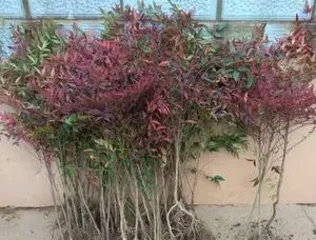
III. Preparation Stage – Getting Ready for Cultivation
In the preparation stage, it is necessary to make all necessary preparations for cultivation. This mainly includes preparing suitable soil, mastering appropriate cultivation techniques, and preparing the necessary tools and equipment. Additionally, the trunk needs to be properly pruned and shaped to promote its growth and development.
IV. Transplanting Stage – Scientifically Transplanting Old Nandina Domestica Trunks
In the transplanting stage, it is necessary to scientifically transplant the old Nandina domestica trunk into a growing box or a specially prepared cultivation site. At this time, it is important to master appropriate transplanting techniques to avoid damaging the roots or seedlings of the old Nandina domestica trunk. At the same time, it is necessary to ensure adequate water and nutrients to ensure good growth of the old Nandina domestica trunk.
V. Maintenance Stage – Effectively Maintaining Old Nandina Domestica Trunks
In the maintenance stage, it is necessary to effectively carry out the maintenance work for old Nandina domestica trunks. This mainly includes regular pruning, preventing pests and diseases, rational fertilization, and mastering appropriate watering amounts. At the same time, it is necessary to pay attention to environmental factors such as sunlight, temperature, and humidity for the old Nandina domestica trunk to create a good growing environment.
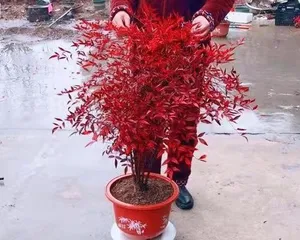
VI. Propagation Stage – Scientifically Propagating Old Nandina Domestica Trunks
In the propagation stage, it is necessary to master scientific propagation techniques to ensure the old Nandina domestica trunk can propagate well. This mainly includes methods such as division, cuttings, and grafting. At this time, it is necessary to select suitable propagation materials and operate according to the correct methods.
VII. Fertilization Stage – Rational Fertilization to Aid the Growth of Old Nandina Domestica Trunks
In the fertilization stage, it is necessary to master rational fertilization methods to aid the growth of old Nandina domestica trunks. Generally, a combination of organic and inorganic fertilizers can be used. In addition, it is necessary to pay attention to fertilization time and amount to avoid waste and excessive fertilization.
VIII. Management Stage – Meticulously Managing Old Nandina Domestica Trunks
In the management stage, it is necessary to meticulously manage old Nandina domestica trunks. This mainly includes strictly controlling pests and diseases, regular pruning and shaping, and mastering scientific watering and lighting times. At the same time, it is necessary to pay attention to keeping records and statistics of the old Nandina domestica trunk to discover and deal with problems in a timely manner.
IX. Pest and Disease Control Stage – Prevention First, Comprehensive Management
In the pest and disease control stage, it is necessary to adopt a prevention-first strategy and conduct comprehensive management. This mainly includes strengthening the maintenance and management of old Nandina domestica trunks, and regularly inspecting and eliminating pests and diseases. At the same time, it is necessary to master appropriate control methods to avoid excessive use or over-reliance on chemical agents.
X. Drainage Stage – Ensuring the Water Needed for the Growth of Old Nandina Domestica Trunks
In the drainage stage, it is necessary to ensure the water needed for the growth of old Nandina domestica trunks. Generally, it is necessary to regularly drain the cultivation site and ensure a sufficient water supply. In addition, it is necessary to master appropriate watering amounts and times to avoid excessive or insufficient watering.
XI. Harvesting Stage – Scientifically Harvesting Old Nandina Domestica Trunks
In the harvesting stage, it is necessary to scientifically harvest old Nandina domestica trunks. Generally, it is necessary to choose the right time and method for harvesting, and pay attention to mastering appropriate handling and preservation methods. In addition, it is necessary to abide by relevant harvesting regulations and standards to ensure the quality and safety of the old Nandina domestica trunk.
XII. Packing Stage – Reasonable Packing to Ensure Quality
In the packing stage, it is necessary to pack reasonably and ensure the quality of the old Nandina domestica trunk. This mainly includes selecting suitable packing boxes and methods, controlling temperature and humidity, and regular inspection and maintenance. At the same time, it is necessary to abide by relevant transportation regulations and standards to avoid damage or loss.
XIII. Sales Stage – Choosing the Right Sales Channels
In the sales stage, it is necessary to choose the right sales channels and carry out effective sales work. This mainly includes selecting suitable sales locations, formulating appropriate sales plans, and carrying out effective publicity and promotion activities. At the same time, it is necessary to pay attention to market demand and trends to improve sales efficiency.
XIV. Brand Building Stage – Building the Old Nandina Domestica Trunk Brand
In the brand building stage, it is necessary to build the brand of old Nandina domestica trunks and enhance its awareness and reputation. This mainly includes selecting suitable brand images and logos, formulating effective brand strategies, and carrying out strong brand promotion and marketing. At the same time, it is necessary to maintain the quality and reputation of old Nandina domestica trunks to enhance brand value and influence.
XV. – Scientific Cultivation, Meticulous Management
The cultivation and maintenance of old Nandina domestica trunks require certain techniques, demanding scientific cultivation and meticulous management. In practice, we need to focus on work in areas such as selection, cleaning, preparation, transplantation, maintenance, propagation, fertilization, management, pest and disease control, drainage, harvesting, packing, sales, and brand building. Only by doing this work well can we better promote the growth and development of old Nandina domestica trunks and promote their application and development in various fields.