As a common potted plant, Lucky Bamboo is very popular due to its beautiful shape and high ornamental value. However, many people do not know how to properly grow Lucky Bamboo in soil, which leads to poor growth and easy death of the plant. This article will introduce the methods and techniques for growing Lucky Bamboo in soil in detail to help readers better cultivate this beautiful plant.
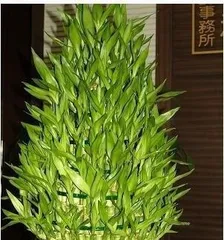
One: Choose the right type of soil—Understanding the characteristics of Lucky Bamboo's growth environment and using a suitable soil type can provide good growing conditions for the plant. Generally, Lucky Bamboo is suitable for growing in loose, fertile soil with good drainage and strong water retention.
Two: Make special soil for Lucky Bamboo—Since commercially available general-purpose potting soil may not be suitable for Lucky Bamboo, it is best to mix your own special soil for Lucky Bamboo. It can be made by mixing leaf mold, garden soil, vermiculite powder and other substances in a certain proportion.

Three: Pay attention to soil pH—Lucky Bamboo's growth environment requires a soil pH value between 6.0 and 7.0. If the soil pH is too high or too low, it will have an adverse effect on the plant's growth. The soil pH should be tested before planting Lucky Bamboo, and corresponding measures should be taken to adjust it.
Four: Ensure good aeration—The roots of Lucky Bamboo have high requirements for aeration. Therefore, adding a moderate amount of loose substances to the soil, such as perlite, vermiculite powder, etc., can increase soil aeration and is beneficial to plant growth.
Five: Pay attention to fertilization methods—Lucky Bamboo is not tolerant of excessive fertilizer, which can lead to yellowing leaves and poor growth. The amount of fertilizer should be controlled, and organic fertilizers rich in phosphorus and potassium elements should be used.
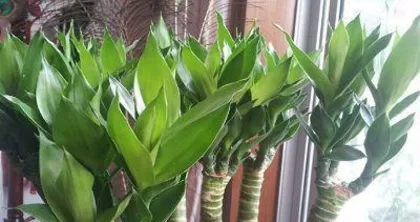
Six: Avoid waterlogging—Lucky Bamboo is not tolerant of waterlogging, which can easily cause root rot. When watering, be sure to control the amount of water to keep the soil surface slightly moist.
Seven: Maintain appropriate humidity—Lucky Bamboo likes a humid environment, but excessive humidity can easily lead to root hypoxia. During the cultivation process, pay attention to maintaining appropriate soil humidity, avoiding too much or too little water.
Eight: Control the appropriate temperature—Lucky Bamboo is suitable for growing in an environment of 15~25°C. If the ambient temperature is too high or too low, it will have an adverse effect on plant growth. Pay attention to controlling the ambient temperature during the cultivation of Lucky Bamboo.
Nine: Reasonable placement—Lucky Bamboo likes light but is tolerant of shade, and is suitable for placing in a bright but not directly sunny indoor environment. It should be avoided from being exposed to extreme environments such as cold wind and hot wind.
Ten: Pay attention to daily maintenance—Operations such as regular pruning of branches and leaves, timely pest control, and cleaning of leaves can provide a good growing environment for Lucky Bamboo and increase its ornamental value.
Eleven: Prevention and treatment of common pests and diseases—Common pests and diseases of Lucky Bamboo include leaf spot, aphids, powdery mildew, etc. Corresponding measures should be taken in time for prevention and treatment to prevent the harm of pests and diseases to the plant.
Twelve: Reproduction methods of Lucky Bamboo—Lucky Bamboo has reproduction methods such as leaf cuttings, division, and cuttings. Readers can choose the corresponding reproduction method according to their own preferences and cultivation conditions.
Thirteen: Ornamental value of Lucky Bamboo—Lucky Bamboo has a beautiful shape and bright colors, which can be used for indoor decoration or as a gift for relatives and friends.
Fourteen: Cultural meaning of Lucky Bamboo—In traditional culture, Lucky Bamboo has the meanings of auspiciousness, wealth, and longevity, so it is deeply loved by people. At the same time, it also represents the tenacity and indomitability of life.
Fifteen:—Through the introduction of this article, I believe that readers have already understood how to properly grow Lucky Bamboo in soil. In the cultivation process, you must pay attention to aspects such as soil formula, fertilization methods, watering amount, and light conditions, so that Lucky Bamboo can grow healthily and reproduce, bringing more beauty and happiness to our lives.