In urban life, many people's homes are often in dark environments that cannot meet the needs of ordinary plants, making it difficult for green plants to survive. However, shade-tolerant plants have become an excellent solution to this problem. This article will explore the characteristics and applicable scenarios of shade-tolerant plants to help everyone create a green home in shaded environments.
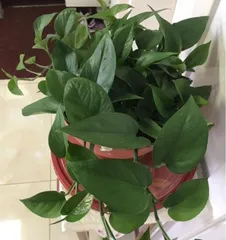
What are shade-tolerant plants?
Shade-tolerant plants are plants that grow well in environments with relatively weak light. Unlike most plants, they do not rely on sunlight for photosynthesis; instead, they adapt to low light conditions by changing their physiological structure.
Characteristics of Shade-Tolerant Plants
1. Tolerant of low temperatures, most can grow in environments below 5°C;
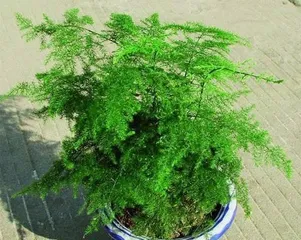
2. Good at utilizing light, with larger leaves and open leaf surfaces;
3. High photosynthetic efficiency, tolerant of high humidity and drought environments;
4. Strong disease resistance, pollution tolerance, and stress resistance.
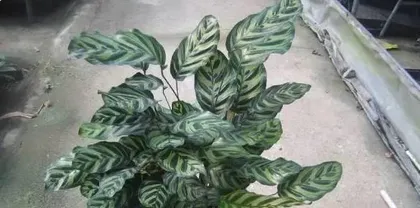
Why Choose Shade-Tolerant Plants?
1. Can grow in shaded environments without direct sunlight, making them easy to grow indoors;
2. Good at purifying the air, making them very suitable for homes with pets or smokers;
3. Beautify the home environment, increase indoor oxygen levels, and relieve stress.
Applicable Scenarios for Shade-Tolerant Plants
1. Indoor corners: such as beside a desk, on a nightstand, next to a sofa, etc.;
2. Balcony windows: areas on balconies or windows that are shaded and lack sufficient light;
3. Offices: office spaces that are poorly ventilated or have little sunlight.
What are Some Common Shade-Tolerant Plants?
1. Ivy: smooth leaf surface, not hairy;
2. Spider Plant: long, thin leaves shaped like whips;
3. Ferns: soft and refreshing leaves;
4. Ficus: beautiful tree shape, unique aerial roots.
Care Methods for Common Shade-Tolerant Plants
1. Watering: moderate amount of water, just keep the soil moist;
2. Fertilizing: no need for excessive fertilization, once in spring and autumn is enough;
3. Pruning: promptly remove dead leaves and branches;
4. Ventilation: maintain indoor air circulation and avoid prolonged dampness;
5. Transplanting: repot or transplant appropriately in spring or autumn each year.
Soil Suitable for Shade-Tolerant Plants
1. Loose and breathable;
2. Able to retain moisture;
3. Contains sufficient organic matter;
4. pH value between 5.5-6.5.
Precautions for Shade-Tolerant Plants
1. Do not overwater;
2. Avoid direct sunlight;
3. Maintain ventilation;
4. Prune regularly.
Tips for Planting Shade-Tolerant Plants
1. Water moderately to avoid waterlogging;
2. Do not let the plant stay in a state of drought for a long time;
3. Provide the plant with a moderate amount of sunlight, for example, in a semi-shaded area;
4. Lay peat moss, perlite, or soil at the bottom of the pot to maintain air permeability.
Arrangement Tips for Shade-Tolerant Plants
1. Pair with grasses and herbs to make the space more natural;
2. The shape and color of the plants should be coordinated with the home environment;
3. Leave sufficient space between different plants to avoid crowding each other;
4. You can use the method of combining different shade-tolerant plants in one pot.
Frequently Asked Questions
1. Why do shade-tolerant plants need fertilizing?
Fertilizing can replenish the nutrients missing from the soil, allowing the plant to grow better;
2. My room is very dark, can I grow shade-tolerant plants?
You can choose shade-tolerant plants that are suitable for growing in dark environments;
3. How to avoid plant death?
Pay attention to moderate watering, maintaining ventilation, and proper fertilizing;
4. How can I make my shade-tolerant plants grow better?
Provide the plant with a moderate amount of sunlight and a suitable temperature environment.
Advantages of Shade-Tolerant Plants
1. Can grow without direct sunlight;
2. Can purify the air;
3. Beautify the home environment;
4. Easy to care for.
Limitations of Shade-Tolerant Plants
1. Relatively sensitive, need to pay attention to ventilation;
2. Prone to pest infestations.
How to Choose Shade-Tolerant Plants?
Consider factors such as the indoor environment, personal preferences, and the characteristics of the plant to choose shade-tolerant plants that are suitable for you.
Shade-tolerant plants have become an excellent solution for growing green plants in shaded environments. Through this article, we can understand the characteristics, applicable scenarios, care methods, and common questions related to shade-tolerant plants. It is hoped that everyone can plant some shade-tolerant plants in their homes or offices to increase the indoor green oxygen and make our lives healthier and more beautiful.