Peonies are beautiful and mysterious flowers, and their vibrant and colorful blooms are deeply loved by people. Unlike other common flowers, the care methods for peonies are also different. This article will introduce how to plant and care for peonies through water culture, hoping to be helpful for all flower lovers.

Understanding the Characteristics and Varieties of Peonies
There are many varieties of peonies, including single-petaled, double-petaled, and miniature types. The growing environment and care methods for different varieties of peonies will also vary. Before starting water culture, we should first understand the variety and characteristics of the peony we are caring for.
Choosing the Right Hydroponic Container
Caring for peonies in water requires a hydroponic container, so it's important to choose the right one. Typically, we can choose a transparent, pressure-resistant, and wide-mouthed container that is convenient for changing the water. Additionally, the size of the container should be appropriate to allow the peony enough space to grow.
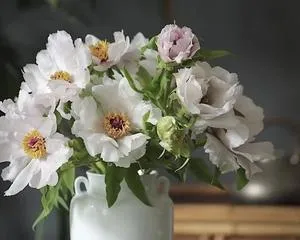
Prepare the Nutrient Solution
Peonies grown in water require a nutrient solution. The preparation of the nutrient solution needs to be based on the specific peony variety and its growth stage, selecting a suitable nutrient formula. Generally, we can use commercially available plant nutrient solutions and follow the instructions for mixing.
Placing the Peony
Peonies grown in water need to be placed in a location with plenty of sunlight. At the same time, avoid direct sunlight, as this can cause the leaves to dry out. Also, avoid placing them near air conditioners or heaters, as this can affect the peony's growth.
Clean the Container Before Watering
Before each watering, we need to thoroughly clean the container first. This ensures the cleanliness of the water and the effectiveness of the nutrient solution. When cleaning the container, you can use soapy water or bleach water.
Determine the Watering Frequency
Watering frequency is one of the things to pay attention to when growing peonies in water. Generally, we can change the nutrient solution every 3-4 days, and at the same time, add an appropriate amount of water. It should be noted that the amount of water should be appropriate to avoid waterlogging the roots.
Maintain Water Quality
When growing peonies in water, it is also very important to keep the water clean. We need to change the nutrient solution regularly, and when changing it, remove any sediment, residue, and foam from the container. This can prevent water contamination and bacterial growth.
Provide Adequate Light for the Peony
Peonies grown in water need to be given an appropriate amount of light. Generally, peonies need at least 6 hours of sunlight per day. If placed indoors, choose a spot closer to the window to get more sunlight.
Control Temperature and Humidity
When growing peonies in water, it is necessary to control the ambient temperature and humidity. Generally, peonies need to grow in an environment above 15°C and maintain moderate humidity. We can use a humidifier or a tray of water to control the humidity, providing a suitable growing environment.
Pay Attention to Fertilizing the Peony
When growing peonies in water, it is important to fertilize them at the right time and in the right amount. Generally, during the growing period of the peony, you can fertilize it every 1-2 weeks. It should be noted that when fertilizing, you should choose a fertilizer suitable for peonies and use it according to the instructions.
Prevent Pests and Diseases on Peonies
When growing peonies in water, it is important to prevent pest and disease infestations. Common peony pests and diseases include powdery mildew, aphids, and spider mites. We can use pesticides or organic insecticides for prevention and control.
Regularly Prune the Peony
When growing peonies in water, regular pruning is necessary. This can promote the growth and flowering of the peony and maintain its beautiful appearance. When pruning, it is important to keep the main stem and leaves, and trim the branches to a 45-degree angle with the main stem.
Maintain the Stability of the Nutrient Solution
When growing peonies in water, it is necessary to maintain the stability of the nutrient solution. We can save some of the nutrient solution each time we change it and add new nutrient solution the next time. This can maintain the stability of the nutrient solution and avoid waste from frequent changes.
Pay Attention to Transporting the Peony
When growing peonies in water, it is necessary to pay attention to transportation issues. Generally, we should choose a lightweight and easy-to-carry container, and pack the peony and nutrient solution separately before transport. At the same time, be careful to avoid bumps and squeezing during transportation.
Growing peonies in water is a simple and effective care method. By choosing the right container, preparing the nutrient solution, controlling temperature and humidity, and regularly pruning and fertilizing, we can cultivate healthy and beautiful peonies. It is hoped that this article will be helpful to all flower lovers, allowing more people to enjoy the beauty of peonies.