Milan is an economical and practical ornamental plant with a short growth period, but it requires meticulous care to ensure it grows strong and healthy. The following will introduce how to care for Milan to help it grow well.
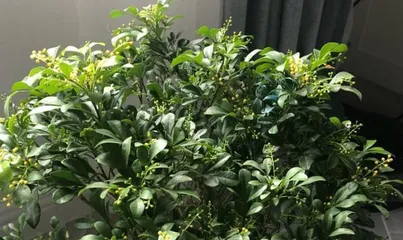
I. Selection and preparation of soil
Selecting good soil is the key to planting Milan. It is recommended to use soil that is breathable, well-draining, and nutrient-rich. You can also prepare your own soil by mixing garden soil, leaf mold, and sand in a 2:1:1 ratio.
II. Watering techniques
Milan is not tolerant of excessive moisture, and overwatering can easily lead to root rot. Therefore, it is important to control the amount and frequency of watering. Water thoroughly each time, but do not let water accumulate at the bottom of the pot.
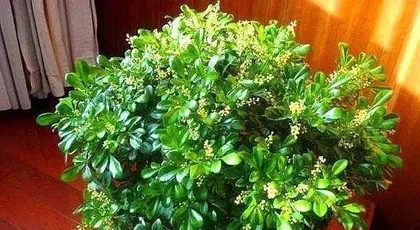
III. Fertilization methods
Milan grows quickly and requires moderate fertilization. During the growing season, apply organic or compound fertilizer every two weeks. However, do not over-fertilize, as this can cause wilting and root rot.
IV. Light requirements
Milan needs plenty of sunlight, but it should not be directly exposed to strong sunlight, as this can cause leaf scorch. It is recommended to place it in a partially shaded spot or near a window with a screen.
V. Temperature control
Milan has high temperature requirements, and the suitable growing temperature is 18°C-25°C. Both too low and too high temperatures will affect its growth, especially in winter, so insulation is necessary.
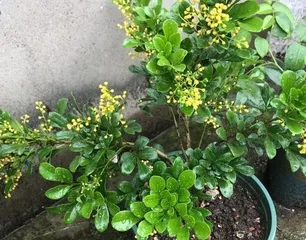
VI. Pruning methods
Milan grows quickly and requires timely pruning. When the main stem is too long, it should be pruned to encourage branching. At the same time, pay attention to pruning withered leaves and branches to maintain the plant's beauty and health.
VII. Timing and methods for repotting
Milan grows quickly, and the potting period is generally around one year. When repotting is needed, you can choose a slightly larger pot. The new soil should be soaked before repotting to avoid damaging the roots.
VIII. Pest and disease control methods
Milan is susceptible to pests and diseases such as aphids and powdery mildew. You can use pest and disease sprays for control, or use natural insecticides like garlic and chili spray from home.
IX. Foliar fertilization techniques
Foliar fertilization is a supplementary nutrient method during the growth of Milan. However, it is important to pay attention to the concentration and frequency of the fertilizer solution. It can be sprayed every two weeks, and the concentration should not be too high.
X. Regular leaf cleaning
Dust and bacteria can accumulate on the leaves of Milan, so regular cleaning is necessary. You can clean them with warm water or light salt water, and then wipe the leaves dry with a clean cloth after cleaning.
XI. Enhancing ventilation
Milan needs sufficient oxygen and ventilation during its growth process. You can use indoor air conditioning or fans for ventilation, or place the plant in a well-ventilated location.
XII. Key care points for different varieties
Different varieties of Milan have their own characteristics and care methods. It is necessary to understand the growth habits and characteristics of each variety to better care for them.
XIII. Pay attention to observing the growth status
The growth status of Milan needs to be observed and adjusted frequently. When yellowing, wilting, or pests and diseases are found on the leaves, timely measures should be taken for pruning or control.
XIV. Pairing to beautify the environment
Milan can be paired with other green plants to beautify the home environment. However, pay attention to the habits and preferences of the plants to avoid competition or mutual interference.
XV.
Through proper care measures, Milan can grow well. It is necessary to pay attention to the selection and preparation of soil, watering techniques, fertilization methods, control of light and temperature, pruning and repotting methods, pest and disease control, foliar fertilization, ventilation, key care points for different varieties, paying attention to observing the growth status, and pairing to beautify the environment. It is hoped that this article can provide some useful references and guidance for Milan lovers.