Orchids are beautiful flowers that are loved and collected by many people. However, caring for orchids is not an easy task, especially during dry seasons, when watering becomes a critical issue. What should you do if your orchid is overwatered? Below, we will share some experience and tips, hoping to help with your orchid care.
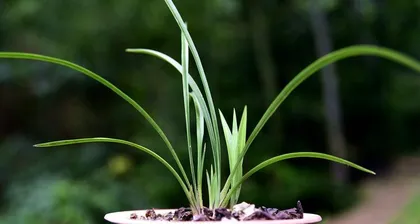
I: Pay attention to watering time
During dry seasons, many people can be overly enthusiastic about watering their orchids, which can lead to overwatering. The correct watering time is very important. Generally, it is more suitable to water in the early morning or evening. This can prevent rapid evaporation of water caused by direct sunlight and also helps the orchid absorb water.
II: Choose well-aerated soil
Choosing well-aerated soil is also an important method to avoid overwatering orchids. If the soil is too dense, it is not conducive to water penetration and drainage, which can easily lead to waterlogging and root rot. In the process of cultivating orchids, choosing well-aerated soil is very important.
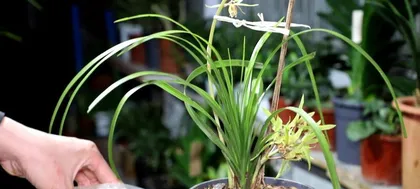
III: Avoid over-fertilizing
In orchid care, fertilizing is also an important task. However, if you over-fertilize, the orchid's roots will become overly lush, and its ability to absorb water will decrease, which can easily lead to overwatering. When fertilizing, be sure to pay attention to the amount and avoid over-fertilizing.
IV: Avoid excessive pruning
In orchid care, pruning is also an important step. Reasonable pruning can make the orchid healthier and more beautiful. However, excessive pruning will affect the orchid's growth and development and its ability to absorb water. When pruning, be sure to grasp the right degree and avoid excessive pruning.
V: Reduce watering frequency
To avoid overwatering orchids, we can also appropriately reduce the frequency of watering. During dry seasons, we can lengthen the watering interval, giving the orchid more time to absorb water and nutrients, and also allowing the soil to gradually dry out to prevent waterlogging.
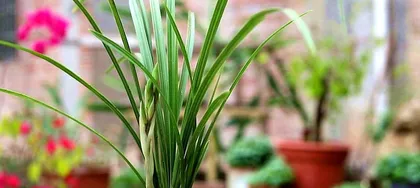
VI: Use the bottom watering method
Using the bottom watering method is another way to avoid overwatering orchids. Specifically, this involves placing some water trays around the orchid, allowing it to absorb water through evaporation rather than direct watering. This method can effectively avoid problems caused by excessive watering.
VII: Increase light exposure
Appropriately increasing light exposure is also an important method to avoid overwatering orchids. Adequate light can promote the normal growth and development of orchids and enhance their ability to absorb water. In the process of cultivating orchids, we can try to let them get enough sunlight.
VIII: Control room temperature
Maintaining a suitable room temperature is also an important method to prevent overwatering orchids. If the room temperature is too high or too low, it will affect the orchid's normal growth and development and its ability to absorb water. During dry seasons, we can protect the orchid by reasonably controlling the room temperature.
IX: Clean up excess water
If an orchid is overwatered, it is prone to the problem of waterlogged roots. In this case, we need to clean up the excess water in time to maintain the soil's aeration and drainage. At the same time, it is also necessary to appropriately reduce the frequency of watering to avoid waterlogging again.
X: Check the root condition
In the process of orchid care, it is also very important to frequently check the condition of the roots. If root rot is found, it needs to be dealt with in time to maintain the soil's aeration and drainage. This can prevent the orchid from suffering from overwatering problems due to damaged roots.
XI: Improve ventilation
Reasonable ventilation is also one of the important methods to prevent overwatering orchids. Proper ventilation can increase the oxygen content around the orchid, promoting its normal growth and development and its ability to absorb water. During dry seasons, we can appropriately strengthen the ventilation.
XII: Adjust the amount of water
If you find that the orchid is overwatered, you need to adjust the amount of water in time. During dry seasons, we can appropriately reduce the frequency and amount of watering to allow the soil to gradually dry out. This can prevent the orchid from being damaged due to overwatering.
XIII: Increase leaf misting
In the process of orchid care, appropriately increasing leaf misting is also a way to protect orchids. Misting can increase the humidity around the orchid, allowing it to better absorb water and nutrients, and avoiding problems caused by overwatering.
XIV: Replace the soil in time
If an orchid is in moist soil for a long time, it is easy to cause root rot, which in turn leads to overwatering problems. In the process of orchid care, we need to replace the soil in time to maintain its aeration and drainage.
XV:
Addressing the problem of overwatered orchids, we can start from multiple aspects and adopt different methods and measures to protect orchids. During dry seasons, reasonable watering and light, well-aerated soil, and proper fertilizing and pruning are all very important. We hope this article will be helpful to your orchid care.