Chrysanthemum is a common ornamental plant, loved for its beautiful and vibrant flowers. However, for beginners, the process of repotting and caring for Chrysanthemum can be challenging. This article will detail the techniques for repotting and caring for Chrysanthemum to help everyone better care for this plant.
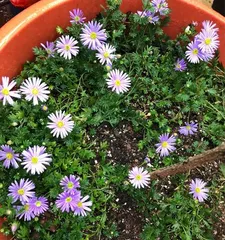
1. Choose the right time for repotting
When repotting Chrysanthemum, it is necessary to choose the right time. It is generally recommended to repot in spring or autumn, when the temperature is more suitable and the plant grows more vigorously.
2. Prepare sufficient soil and containers
When repotting Chrysanthemum, you need to prepare sufficient soil and appropriately sized containers. The soil should have good air permeability and water retention to meet the plant's needs for nutrients and moisture.
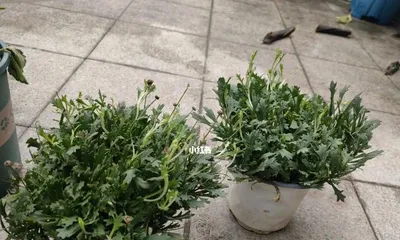
3. Gently remove the plant
Gently remove the Chrysanthemum from its original pot to avoid damaging the plant. If the roots are tangled or too dense, you can appropriately trim the roots.
4. Remove old roots and dead leaves
When repotting, it is necessary to remove old roots and dead leaves from the Chrysanthemum plant to ensure its healthy growth.
5. Place in a new pot and add soil
Place the Chrysanthemum in a new container, add an appropriate amount of new soil, and gently pat it down to ensure the plant can grow stably.
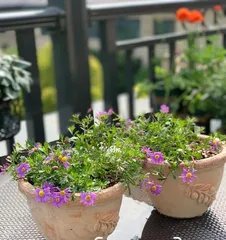
6. Water thoroughly and let it rest
After repotting, it is necessary to water it thoroughly and place the plant in a well-ventilated area to let it rest for a period of time.
7. Pay attention to light and temperature
During the care process of Chrysanthemum, it is necessary to pay attention to light and temperature. Maintaining appropriate light and temperature can promote the healthy growth of the plant.
8. Supplement nutrients in a timely manner
To ensure the growth and development of Chrysanthemum, it is necessary to supplement nutrients in a timely manner. Organic fertilizers or liquid fertilizers can be used for supplementation, but it is important to control the dosage.
9. Prune branches and leaves regularly
During the growth process of Chrysanthemum, it is necessary to prune branches and leaves regularly. This can promote the growth of branches and keep the plant's shape beautiful.
10. Pay attention to pest and disease control
Chrysanthemum is susceptible to some pests and diseases, such as aphids and powdery mildew. It is necessary to pay attention to the prevention and control of pests and diseases and take timely measures to prevent them from occurring.
11. Avoid overwatering
During the care process of Chrysanthemum, it is necessary to avoid overwatering. Excessive water can cause the plant's roots to rot, which in turn affects the plant's growth and development.
12. Replace the soil in a timely manner
After Chrysanthemum has grown for a period of time, it is necessary to replace the soil in a timely manner to ensure that the plant can continue to grow well.
13. Pay attention to water control
During the care process of Chrysanthemum, it is necessary to pay attention to water control. Under different seasons and climatic conditions, the plant's demand for water will also vary.
14. Reasonably control the amount of fertilizer
When caring for Chrysanthemum, it is necessary to reasonably control the amount of fertilizer. Too much fertilizer will lead to excessive growth of the plant, which in turn affects its health.
15.
Chrysanthemum is an ornamental plant suitable for home care. By mastering the correct repotting techniques, Chrysanthemum can survive easily. During the care process, it is necessary to pay attention to the control of light, temperature, water, and other aspects, and to prune and replace the soil in a timely manner to ensure the plant can grow healthily.