Pitaya is a common tropical fruit that is deeply loved by everyone. However, in daily life, due to various reasons, we cannot grow pitaya outdoors. In this case, we can consider potting it. However, growing pitaya in a pot is not simple and requires certain skills and methods of care. Below, I will introduce the advantages and techniques of growing pitaya in a pot from multiple aspects.
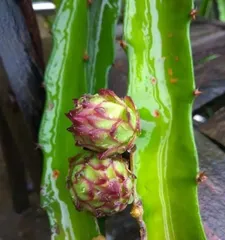
One: Advantages of Growing Pitaya in a Pot
Growing pitaya in a pot has the following advantages: First, it can be moved at any time, making it convenient for care; Second, it can utilize the indoor temperature environment to increase the success rate of cultivation; Third, it can avoid the effects of adverse weather conditions such as wind and rain outdoors.
Two: Pot and Soil Selection
The choice of pot and soil is very important for the growth of pitaya. You should choose soil that is breathable and has good drainage. You can use sandy soil, leaf mold, perlite, etc., to mix to make the pitaya more robust.
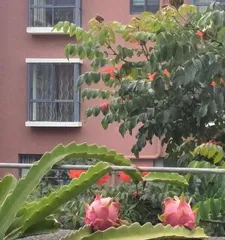
Three: Regular Watering
Pitaya potted plants need regular watering, but not too much. Usually, watering once a week is sufficient. The time for watering should be in the morning or evening, avoid watering during high-temperature periods.
Four: Reasonable Fertilization
Pitaya potted plants need frequent fertilization. You can use organic fertilizers and compound fertilizers. It should be noted that before fertilizing, rinse the soil clean with water first to avoid causing the death of the potted plant due to fertilization.
Five: Controlling Light Exposure
Pitaya likes sunlight, but not too much. In daily life, you should avoid placing it directly in the window to receive sunlight, as this will cause the pitaya to overheat, which is harmful to its growth.
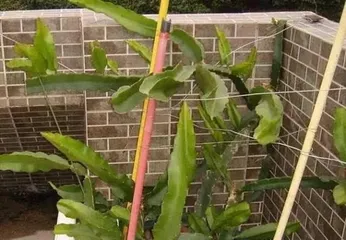
Six: Pruning
The leaves and stems of pitaya potted plants will continue to grow and need regular pruning. You can prune unhealthy, withered, and rotten parts to ensure the healthy growth of the pitaya.
Seven: Maintaining Air Humidity
Pitaya potted plants require high air humidity, so you can use a humidifier indoors to maintain humidity. You can also add an appropriate amount of water to the pot to increase air humidity.
Eight: Controlling Room Temperature
The suitable growth temperature for pitaya is between 15°C and 25°C, so it is necessary to control the indoor temperature well. In summer, you can move the pitaya to a cool place; in winter, you can use an electric heater to raise the indoor temperature.
Nine: Preventing Pests
In the process of growing pitaya in a pot, you will encounter various pests, such as aphids and red spiders. You should discover them in time and take effective measures for prevention and control to ensure the healthy growth of the pitaya.
Ten: Paying Attention to Diseases
Pitaya potted plants are susceptible to various diseases, such as root rot and leaf blight. You should discover them in time and take effective measures for prevention and control to ensure the healthy growth of the pitaya.
Eleven: Timely Transplanting
Pitaya potted plants need to regularly change the potting soil and container. Generally, it should be changed once a year. Pay attention to timely transplanting to avoid the roots of the pitaya being too dense, which affects its growth.
Twelve: Maintaining Ventilation
Pitaya potted plants need to maintain good ventilation. You can install fans and other equipment indoors for ventilation. During the potted process, you should also pay attention to maintaining appropriate ventilation.
Thirteen: Pruning Fruits Appropriately
When the pitaya bears fruit, it should be pruned in time to avoid the branches being too sparse, which affects the overall aesthetics of the pitaya.
Fourteen: Keeping it Clean and Hygienic
Pitaya potted plants need to be kept clean and hygienic. You should often clean up fallen leaves, weeds, etc., around the pot. At the same time, when watering, you should also pay attention not to get the pot walls dirty.
Fifteen:
Growing pitaya in a pot is not simple and requires mastering certain skills and care methods. Maintain the healthy growth of pitaya through regular fertilization, watering, pruning, etc. I hope this article can provide some useful information and suggestions for enthusiasts.