Michelia, also known as the laughing flower, is a common indoor foliage plant, loved by many for its unique colors and shape. However, to ensure it thrives, some basic care knowledge is essential. Below, we will introduce you to the planting and care methods for Michelia.
I. Selecting a Healthy Michelia Seedling
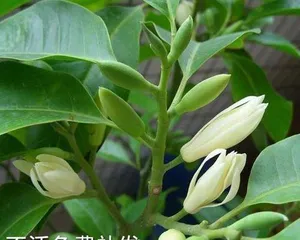
When purchasing a Michelia seedling, choose a plant that looks healthy, free from pests and diseases, with full leaves, vibrant colors, a sturdy stem, and a complete root system. Also, pay attention to selecting a variety suitable for home care.
II. Proper Watering
Michelia likes moisture but fears waterlogging. Each watering should be moderate, avoiding overwatering or underwatering. Generally, water once or twice a week in summer, and once every 10 days or so in winter.
III. Mastering Fertilization Methods
During its growth period, Michelia needs moderate fertilization. You can choose organic fertilizer or chemical fertilizer, applying it once a month. At the same time, avoid over-fertilizing to prevent affecting the plant's health.
IV. Suitable Temperature
Michelia is adapted to a relatively high-temperature environment, generally around 20°C. Avoid the effects of high or low temperatures on the plant. In summer, pay attention to ventilation and avoid direct sunlight.
V. Timely Leaf Pruning
Michelia grows quickly and is prone to producing old and withered leaves during its growth period. Pruning leaves in time can promote nutrient absorption and maintain the plant's healthy growth.
VI. Suitable Light
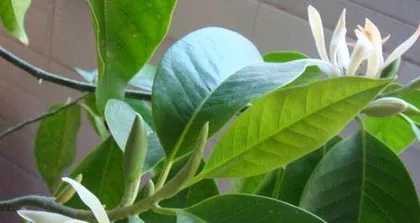
Michelia likes sunlight but cannot tolerate scorching sun. It should be placed in a bright location, avoiding overly dark or excessively bright environments to prevent affecting the plant's growth and flowering.
VII. Pay Attention to Pest and Disease Control
Michelia is susceptible to pests and diseases such as aphids and powdery mildew. It should be detected in time and measures should be taken for prevention and control. You can use chemical agents or physical methods for cleaning and disinfection.
VIII. Reasonable Soil Management
Michelia likes loose, fertile, and well-draining soil. You can choose nutrient-rich, well-draining peat soil for cultivation. At the same time, the soil should be replaced regularly to avoid soil aging and hypoxia.
IX. Avoid Moving or Bumping
The root system of Michelia is relatively sensitive. Moving or bumping it can easily lead to leaf drop or root damage, affecting the plant's growth and flowering.
X. Timely Shaping of the Plant
The branches of Michelia grow relatively quickly. After new branches grow, they should be shaped and pruned in time to keep the plant in an elegant shape.
XI. Enhancing the Plant's Disease Resistance
Michelia is prone to various diseases during its growth process. Its disease resistance can be enhanced by methods such as moderate fertilization, proper watering, controlling temperature, and timely pruning.
XII. Avoid Over-fertilization
Over-fertilizing Michelia can lead to robust growth, but it can also increase nutrient diversion, causing leaf shrinkage or even death. A moderate amount of organic or chemical fertilizer should be chosen for application.
XIII. Reasonable Water Control
Michelia needs a moderate amount of water during its growth period, but it is also necessary to control too much or too little water. Excessive water can easily lead to root rot, while too little water will cause the plant to dehydrate.
XIV. Pay Attention to Controlling Indoor Humidity
Michelia has high requirements for environmental humidity. Indoor humidity should be kept at an appropriate level, avoiding overly dry or humid environments. This can be adjusted by increasing indoor humidity or spraying water.
XV.
The planting and care of Michelia is a delicate and complex process that requires mastering some basic techniques and methods to ensure it grows strong and blooms profusely. We hope these care methods can help you create a sea of Michelia flowers.