In the city, many people use succulent plants as indoor decorations, not only because of their cuteness and variety, but also because they are easy to care for. However, even succulent plants that are easy to care for require caution when watering; they cannot be ignored just because it's troublesome. This article will explore the watering habits and precautions for succulent plants, in order to help everyone have healthy-growing succulents.
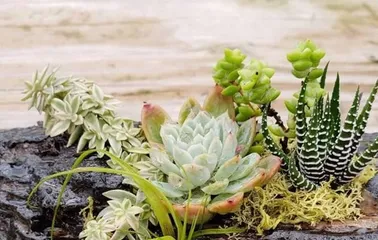
What are Succulent Plants
Succulent plants refer to plants whose leaves, stems, and other parts are rich in water and nutrients, and can survive in arid environments. Common succulent plants include cacti, Monstera deliciosa, and Sansevieria trifasciata.
The Relationship Between Succulent Plants and Watering
Compared to other plants, succulent plants are more drought-tolerant because they can store water in their natural environment and release it to sustain life during droughts. However, in an indoor environment, the water for succulent plants is limited, and overwatering can easily lead to problems such as root rot and soft stems.
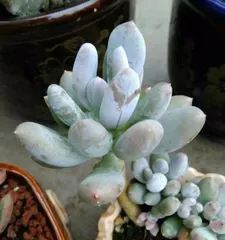
Watering Timing
Succulent plants are generally watered after the soil has completely dried out. Overwatering can lead to the roots being unable to absorb excess water, causing root rot. Watering should be done when you can no longer feel moisture in the soil and the surface is dry.
Controlling the Amount of Water
The amount of water for succulent plants should be appropriate; it should not be too frequent or too much. Generally, each watering should saturate the soil, but water should not accumulate in it.
Watering Methods
The watering method is also very important. Succulent plants prefer to absorb water from the bottom. When watering, you can choose to soak the bottom of the pot in water for a period of time, allowing the soil to absorb the water it needs on its own.
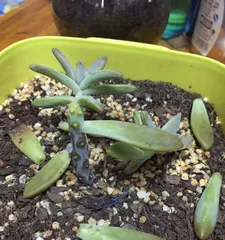
Watering Frequency
Succulent plants generally prefer a dry environment and should not be watered too frequently. However, when the environment is very dry, it is also important to water them appropriately.
Watering Time
The time of watering also needs attention. Generally, more watering is needed in summer than in winter because evaporation is higher in summer. At the same time, it is better to water in the morning or evening because the temperature is lower then, and water is less likely to evaporate.
Do Not Expose Succulent Plants to Direct Sunlight
Do not place succulent plants in places that are too bright or under direct sunlight, as this can easily cause them to dry out or their leaves to turn yellow. In conditions of weak indoor light, you can choose a transparent, breathable bag or transparent glass to increase light exposure.
Pay Attention to Temperature
During their growth period, succulent plants need to be kept at a suitable temperature. In winter, it is best to keep succulent plants above 10°C, and around 20°C in summer.
Pay Attention to Humidity in Summer
Succulent plants need to maintain a certain level of humidity in the summer. You can add a layer of small stones or moisture-absorbing material at the bottom of the pot to increase humidity.
Pay Attention to Repotting
If the roots of the succulent plant are already very dense, you should consider repotting. When repotting, pay attention to the choice of soil and the adjustment of water.
Misting for Moisture
If the indoor environment is relatively dry, you can increase the moisture for succulent plants by misting, but do not mist too frequently.
Avoid Temperature Fluctuations
Succulent plants are very sensitive, especially to temperature changes. After watering, sudden changes in indoor temperature should be avoided.
Care Records
Caring for succulent plants requires keeping records. You can record the time, frequency, and amount of each watering, as well as any problems that arise during the care process. Through these records, you can better understand the habits and needs of your succulent plants and help them grow healthier.
In summary, the care of succulent plants requires attention to factors such as the amount of water, watering frequency, and watering methods. Correct watering methods can ensure healthy growth of succulent plants, and in daily care, it is important to keep maintenance records and promptly solve any problems that arise with the plants.