As a potted plant, the Venus flytrap is a favorite for many people. On the market, we can also easily buy different kinds of Venus flytraps. So, for this plant, how should we cultivate it? This article will provide a detailed introduction from aspects such as its love for sunlight, planting, and maintenance techniques.
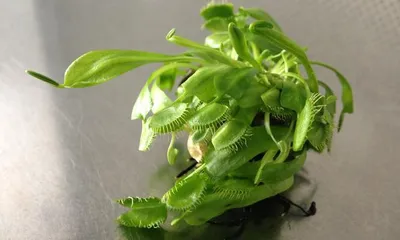
Sunlight is a necessary condition for the growth of Venus flytraps.
The Venus flytrap is a plant that loves sunlight. They usually grow in the wild and are under direct sunlight. Therefore, if we want Venus flytraps to grow healthily, we need to ensure they can receive sufficient sunlight.
Choosing the right soil for Venus flytrap growth
Venus flytraps like to grow in acidic soil, so we need to choose the right soil for them. You can use materials like peat moss or perlite to plant Venus flytraps. These materials have good water retention and breathability, which can effectively meet the growth needs of Venus flytraps.
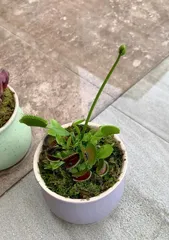
Water regularly to maintain humidity
Venus flytraps need to maintain a moist soil environment. Therefore, we need to water them regularly to keep the soil moist. But be careful not to water them too much, otherwise it will lead to root rot.
Avoid over-fertilizing
Venus flytraps usually do not need excessive fertilization. Because they obtain nutrients by preying on insects. Over-fertilizing can adversely affect their growth.
Proper light and temperature control
The growth of Venus flytraps requires maintaining suitable light and temperature conditions. Normally, they need to grow at a temperature of about 25°C. At the same time, they should also be avoided from being exposed to strong sunlight or cold weather.
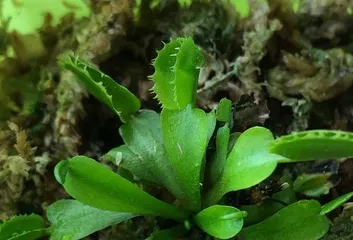
Pay attention to the pest and disease prevention of Venus flytraps
In the process of planting Venus flytraps, we also need to pay attention to their pest and disease prevention. Common pests and diseases include spider mites, whiteflies, and aphids. If you find that the leaves of the Venus flytrap have abnormal colors and shapes, you need to take timely measures to deal with them.
Avoid excessive growth of Venus flytraps
Venus flytraps grow very fast, so we need to prune them regularly. You can prune excess stems, leaves, and flowers to maintain a healthy growth state of the plant.
Maintain a suitable humidity environment
In order for Venus flytraps to grow healthily, we need to maintain a suitable humidity environment. You can place some water at the bottom of the pot, which can increase the air humidity and help the plant grow.
Control indoor temperature
In winter or cold weather, we need to control the indoor temperature to avoid the Venus flytraps being affected by cold air. You can use equipment such as heaters or electric blankets to increase the indoor temperature.
Pay attention to the growth cycle of Venus flytraps
The growth cycle of Venus flytraps is usually in spring and summer. At this time, we need to strengthen the maintenance of Venus flytraps and give them sufficient light and water. In autumn and winter, we need to reduce their maintenance to avoid excessive growth.
Avoid excessive predation
Although Venus flytraps obtain nutrients by preying on insects, we should also pay attention to avoiding excessive predation. If the number of insects they prey on is too large, it will affect the growth and health of the plant.
Regularly replace the soil
In order to maintain the healthy growth of Venus flytraps, we need to replace the soil regularly. This can effectively avoid the breeding of bacteria in the soil and cause damage to the plant.
Maintain sufficient air humidity
In a dry environment, Venus flytraps are easily damaged. Therefore, we need to maintain sufficient air humidity, which can be increased by methods such as spraying water.
Avoid excessive drying of Venus flytraps
An excessively dry environment will have an adverse effect on the growth of Venus flytraps. Therefore, we need to water them regularly to avoid excessive drying.
The Venus flytrap is a plant that loves sunlight and acidic soil very much. In the process of planting and maintenance, we need to pay attention to giving them sufficient light and water, and pay attention to controlling indoor temperature and humidity. At the same time, we also need to pay attention to avoiding problems such as over-fertilization, excessive predation, and excessive growth, to maintain the healthy growth state of the plant.